How to Prepare Your HVAC System for Severe Weather Emergencies
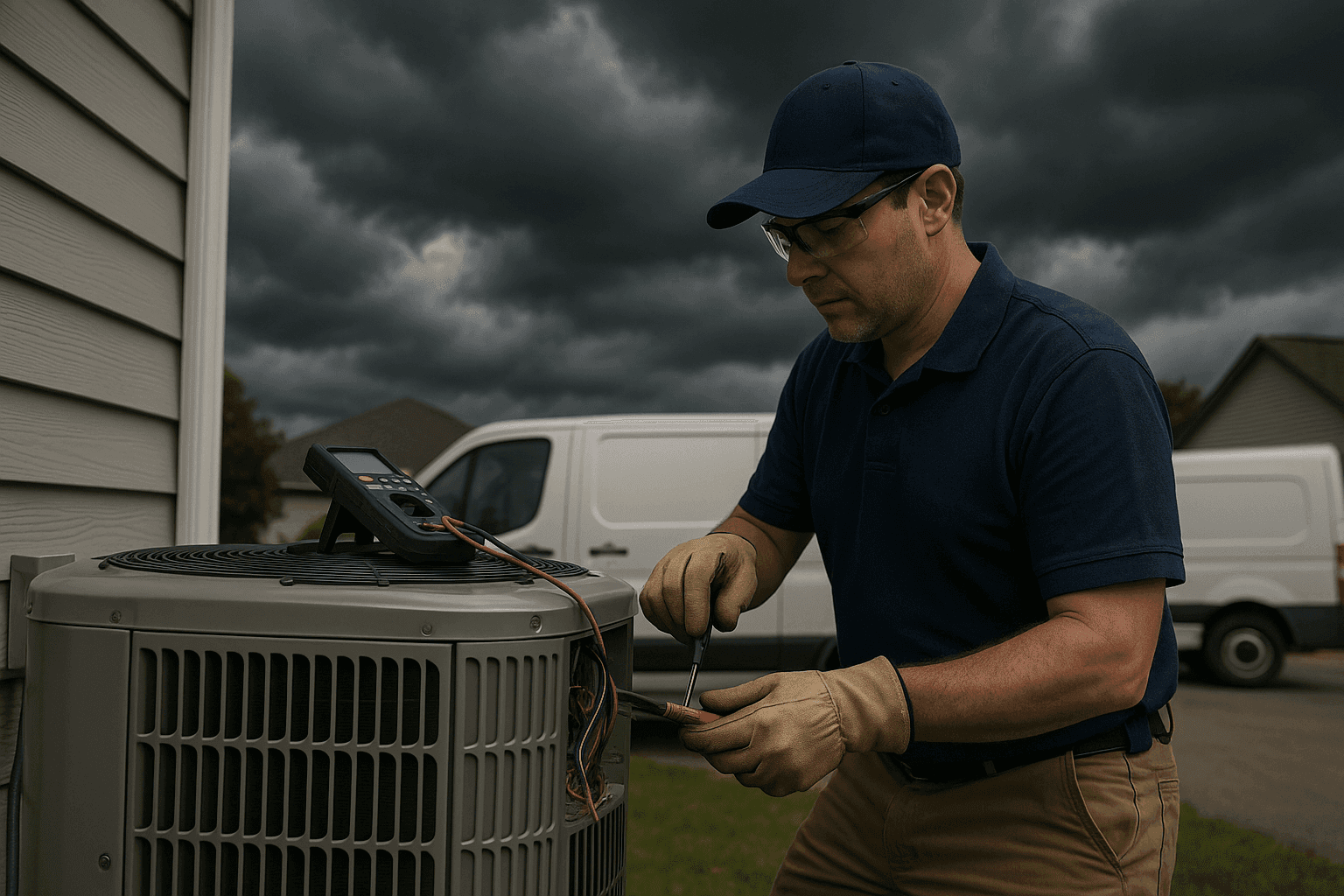
When severe weather is on the horizon, the last thing you want is for your heating or cooling system to fail. It’s not just about comfort—it’s about safety, health, and protecting your investment. At Ace Status Heating, we know how quickly a simple storm can turn into a costly emergency hvac situation.
Preparation is the difference between a calm night and a frantic call for help. By taking smart steps before the weather hits, you can keep your home or business safe, warm (or cool), and running smoothly.
Why Preparing Your HVAC System Matters
Severe weather is like an unexpected guest—it shows up fast, and it doesn’t care if your HVAC system is ready. Storms, freezes, and heatwaves can all put extra stress on your equipment. Without prep, you risk breakdowns, expensive repairs, and even hazards like poor indoor air quality or electrical issues.
According to the American Society of Heating, Refrigerating and Air-Conditioning Engineers (ASHRAE), regular maintenance and emergency readiness are key for system reliability and occupant safety. Let’s walk through how you can spot weaknesses, prepare for storms, and know when to call for help.
Identifying Vulnerabilities in Your HVAC System 🌪️
Think of your HVAC system like a chain—only as strong as its weakest link. Here’s where problems often hide:
- Filters: Clogged filters choke airflow, forcing your system to work harder and risking failure when you need it most.
- Ducts: Leaky or dirty ducts can let in debris or moisture, especially during storms.
- Outdoor Units: Exposed to wind, rain, hail, and flying debris. Even a small branch can cause big damage.
- Thermostats and Controls: Power surges or outages can knock these offline, leaving you in the dark.
- Drain Lines: Blocked condensate lines can cause water damage or system shutdowns during heavy rain.
- Electrical Connections: Loose or corroded wires are a recipe for trouble when the weather turns wild.
Walk around your property. Listen for odd noises. Feel for drafts or hot spots. If something seems off, it probably is.
Seasonal Maintenance Tips for Storm Readiness
A little prevention goes a long way. Here’s a checklist to get your system storm-ready:
Pre-Storm HVAC Checklist
- Change air filters before each season or after heavy use.
- Clear debris from around outdoor units—keep at least two feet of space.
- Secure equipment: Fasten down outdoor units with hurricane straps or brackets if high winds are expected.
- Inspect ductwork for leaks, gaps, or signs of mold.
- Test your thermostat and backup batteries.
- Clean condensate drain lines to prevent clogs and water backup.
- Protect electrical components with surge protectors rated for HVAC equipment.
- Schedule a professional inspection at least once a year—especially before storm season.
Regular maintenance isn’t just a box to check. It’s your best defense against sudden breakdowns and emergency hvac calls.
Emergency Supplies and Backup Power Solutions ⚡
When the power goes out, your HVAC system is silent. That’s where backup power and emergency supplies come in.
Build Your HVAC Emergency Kit
- Portable generator: Sized for your HVAC system. (Consult a certified technician for safe installation—improper setup can be deadly.)
- Fuel supply for generators (store safely, away from living areas).
- Spare air filters and batteries for thermostats.
- Flashlights and battery-powered fans or heaters.
- Surge protectors for sensitive electronics and controls.
- Weatherproof tarps to cover outdoor units if severe debris is expected.
According to the National Fire Protection Association (NFPA), always follow manufacturer guidelines and local codes when installing or using generators. Never run generators indoors or in enclosed spaces.
When to Call a Professional
Some jobs are DIY-friendly—others aren’t. Here’s when it’s time to call in certified help:
- Strange noises, burning smells, or frequent cycling on/off.
- Visible water leaks or signs of electrical arcing.
- Loss of heating or cooling during extreme temperatures.
- Tripped breakers or repeated power surges.
- Storm damage to outdoor units, ducts, or roof penetrations.
- Unusual humidity or poor indoor air quality (musty odors, excessive dust).
Certified technicians have the right tools, training, and safety gear. They follow industry standards like those set by ASHRAE and the Occupational Safety and Health Administration (OSHA). Don’t risk your safety—if in doubt, call Ace Status Heating.
Action Steps: Protect Your HVAC Investment
Your HVAC system is one of the biggest investments in your property. Here’s how to keep it running strong when the weather turns rough:
- Schedule seasonal maintenance ahead of storm season.
- Install surge protection and backup power solutions.
- Keep outdoor units clear and secure.
- Replace filters regularly—don’t wait for them to clog.
- Have emergency contacts ready, including your trusted emergency hvac team.
Backup Power: Generator Installation and Maintenance
A standby generator can keep your HVAC system running even when the grid goes down. But it’s not plug-and-play.
- Choose the right size: Too small, and it won’t power your system. Too large, and you’ll waste fuel.
- Professional installation is a must—improper wiring can cause fires or back-feed into utility lines.
- Regular testing and maintenance: Run your generator monthly, check oil and fuel, and schedule annual service.
- Automatic transfer switches: These safely switch your system to generator power without manual intervention.
The National Electrical Code (NEC) sets strict rules for generator installation. Always use a licensed technician for this work.
Indoor Air Quality and Duct Cleaning
Storms can stir up dust, pollen, and debris. Flooding can introduce mold. After severe weather, pay attention to:
- Musty odors or visible mold in ducts or around vents.
- Increased allergy symptoms or respiratory issues.
- Debris or water in air returns or registers.
Professional duct cleaning and IAQ testing can help restore healthy air after a storm.
How Long Does Emergency HVAC Service Take? What Does It Cost?
Every situation is unique, but here’s what to expect:
- Emergency calls are prioritized—most teams aim to arrive within hours, depending on demand.
- Repairs can range from quick fixes (like replacing a fuse) to complex jobs (like replacing a damaged compressor).
- Costs vary by part, labor, and time of service (after-hours or holidays may cost more).
- Preventative maintenance is almost always less expensive than emergency repairs.
Think of it like car maintenance: regular oil changes are cheap insurance against a blown engine.
When Is It an Emergency?
Not every HVAC hiccup is a five-alarm fire. But these signs mean you need help—fast:
- No heat during a freeze or no cooling during a heatwave.
- Electrical burning smells or smoke from vents.
- Flooding around indoor or outdoor units.
- Repeated system shutdowns or breaker trips.
- Strange noises that get louder or more frequent.
If you’re unsure, it’s safer to call. Your comfort—and safety—are worth it.
Frequently Asked Questions
How often should I schedule HVAC maintenance?
Most manufacturers and the U.S. Department of Energy recommend at least once a year, ideally before peak heating or cooling season.
Can I cover my outdoor AC unit before a storm?
Yes—use a breathable, weatherproof cover to protect against debris. Remove it before running the unit to prevent overheating.
Is it safe to run my HVAC system during a power outage with a portable generator?
Only if your system is properly wired for generator use. Improper connections can cause fires or damage equipment. Always consult a certified technician.
What should I do if my HVAC system is making strange noises after a storm?
Turn it off and call for professional help. Strange noises can mean internal damage or debris inside the system.
Special Considerations for Homeowners and Small Businesses
- Small businesses: Protect inventory and customer comfort with backup power and maintenance plans.
- Homeowners: Prioritize safety for children, elderly, and pets—extreme temperatures can be dangerous.
- Rental properties: Coordinate with tenants and property managers for emergency access and service.
Stay informed about local weather alerts and have a plan in place. Preparation is the best way to avoid costly downtime and keep everyone safe.
Preparedness brings peace of mind. Don’t wait for the next storm to test your HVAC system.
Call Ace Status Heating now — or reach us anytime at 877-978-1992 .